


A study shows that eating fewer than three times a day and fasting over 14 hours increases fatty liver risk due to circadian rhythm disruption.

A study published analyzes the effectiveness of a low-carbohydrate diet in patients with fatty liver disease. Results show weight loss, reduced abdominal circumference, and improvements in liver inflammation and glucose metabolism.

Coffee consumption, due to caffeine, has psychoactive properties and health benefits, improving cognitive function and reducing disease risk, however, excessive intake can be harmful.
MariTide, a new drug for obesity, delivers significant weight loss with a single monthly injection, while also reducing blood pressure and glucose levels in patients.
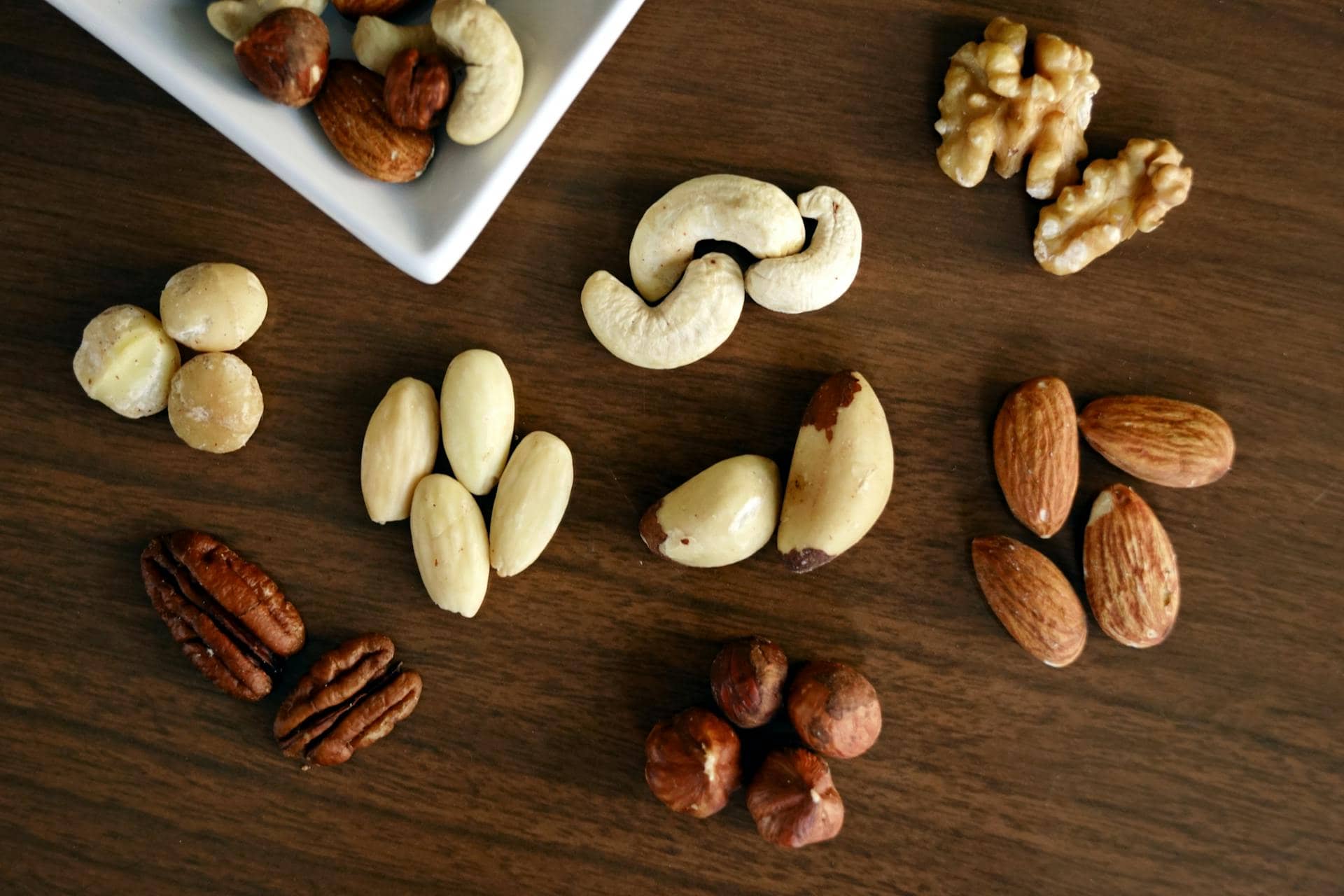
A study links elevated blood manganese levels with a higher risk of liver disease. Controlling dietary intake and workplace exposure is crucial to reduce this risk and protect health.

Fatty liver disease prevention involves healthy diets, intermittent fasting, regular exercise, coffee intake, and limiting sugars and saturated fats. These actions help reduce liver fat and disease risk.

Enhancing hepatic health requires better diet, consistent exercise, and adequate sleep. These lifestyle changes reduce disease risks and improve overall well-being, benefiting both hepatic and systemic health.

A study shows that food quality is linked to fatty liver risk. Poor diets increase glucose and cholesterol, raising the likelihood of developing fatty liver disease.

Summer habits, such as overeating and reduced physical activity, can increase the risk of fatty liver. Maintaining a healthy lifestyle with regular exercise and balanced eating is crucial to prevent this condition after the vacation period.

We analyze the benefits and effects of newspaper or intermittent fasting diets.