


Women with early menarche show a higher risk of fatty liver disease. Later onset lowers this risk, highlighting the importance of monitoring weight and liver health.

MariTide, a new drug for obesity, delivers significant weight loss with a single monthly injection, while also reducing blood pressure and glucose levels in patients.
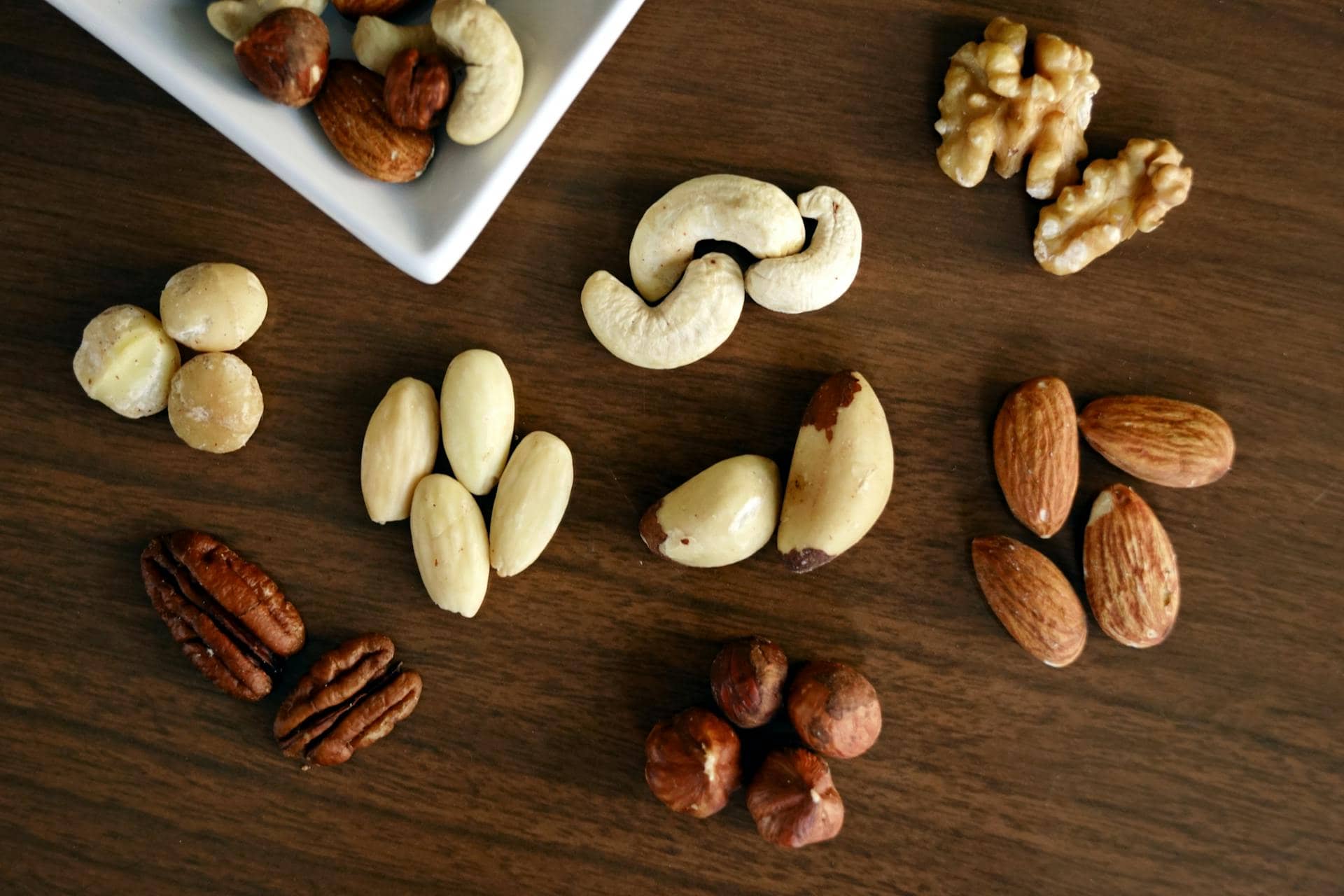
A study links elevated blood manganese levels with a higher risk of liver disease. Controlling dietary intake and workplace exposure is crucial to reduce this risk and protect health.
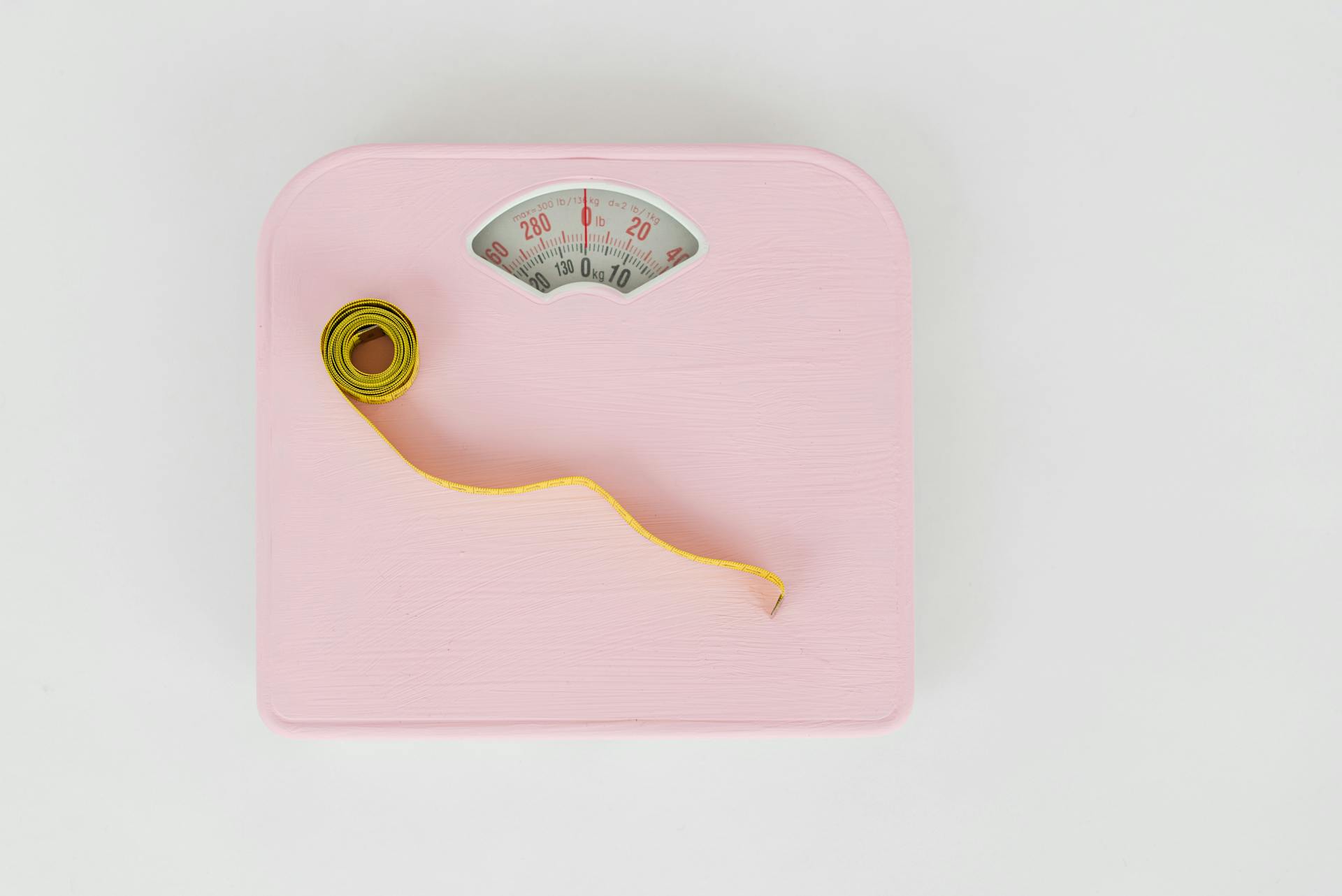
A comparative study found that tirzepatide outperforms semaglutide for weight loss, achieving greater reductions in body weight, waist circumference, and blood pressure, with similar side effects in both treatments.

Linerixibat, a bile acid transport inhibitor, has shown significant benefits in the treatment of pruritus in primary biliary cholangitis, reducing itching and improving sleep with minimal side effects.
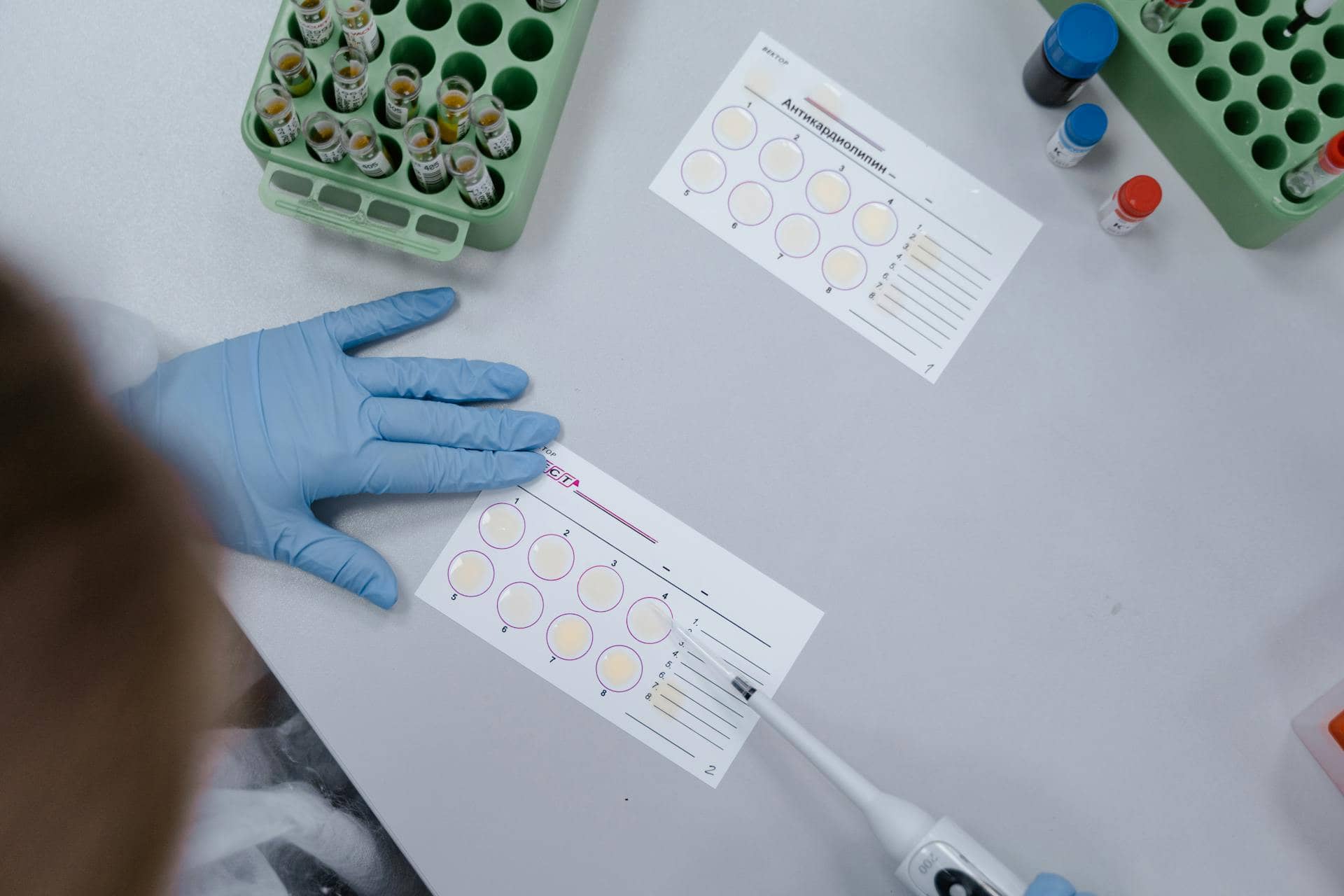
A promising new treatment for fatty liver disease has outperformed existing medications like Ozempic and Mounjaro in reducing liver fat, according to a recent study presented at a major liver disease conference.

Hepalatide, used with pegylated interferon-alpha, shows promise for curing chronic hepatitis B by eliminating cccDNA from liver cells, according to early study results presented in a European liver congress.

Resmetirom is the first approved drug for steatohepatitis, effective in reducing liver fat and fibrosis. Available in the U.S., it awaits approval in Europe due to high cost and limited access.

Efimosfermin-alfa shows promise as a treatment for fatty liver disease, improving fibrosis and inflammation with monthly dosing, according to early clinical study results.

A JAMA study shows that statins may benefit liver disease patients by lowering liver cancer risk, reducing complications, and improving fibrosis, especially with lipophilic and hydrophilic statins.