


High-intensity interval exercise and a controlled diet reduce liver fat, inflammation, and damage in fatty liver patients, achieving a cure in 56% of treated cases while improving disease activity by 20-30%.

Enhancing hepatic health requires better diet, consistent exercise, and adequate sleep. These lifestyle changes reduce disease risks and improve overall well-being, benefiting both hepatic and systemic health.

A study shows that food quality is linked to fatty liver risk. Poor diets increase glucose and cholesterol, raising the likelihood of developing fatty liver disease.
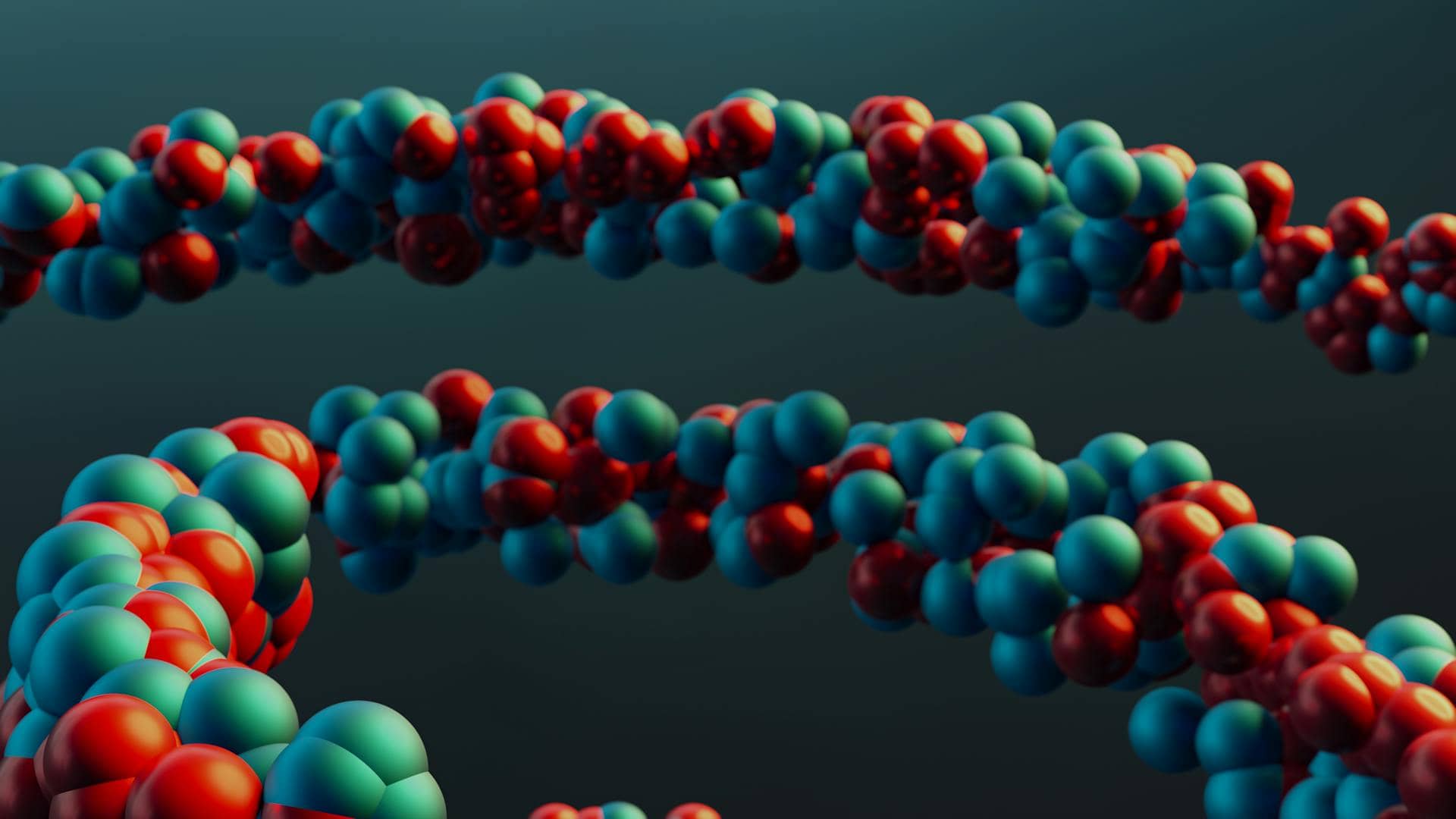
Physical frailty, along with genetic factors like the PNPLA3 gene, raises the risk of developing severe fatty liver disease. The study highlights the importance of considering frailty in the prognosis of this condition.

A study shows that sleeping less than 7 hours or exercising less than 3 hours weekly significantly increases the risk of fatty liver, highlighting the importance of addressing lifestyle factors.

Summer habits, such as overeating and reduced physical activity, can increase the risk of fatty liver. Maintaining a healthy lifestyle with regular exercise and balanced eating is crucial to prevent this condition after the vacation period.

Two recent studies reveal that Survodutide and Tirzepatide significantly improve the treatment of fatty liver by reducing fibrosis and enhancing liver health.

Coffee and grape seed extract may help treat fatty liver and improve cardiovascular and metabolic health. More studies are needed to confirm these results.

Evening/night moderate/vigorous exercise reduces mortality, improves metabolic health.

Study shows patients with fatty liver are more likely to have gallstones, which correlates with disease severity and necessitates targeted treatment.