


Frequent snoring is linked to a higher risk of fatty liver disease, independent of obesity or diabetes, underscoring the role of proper sleep in liver health.

Women with early menarche show a higher risk of fatty liver disease. Later onset lowers this risk, highlighting the importance of monitoring weight and liver health.
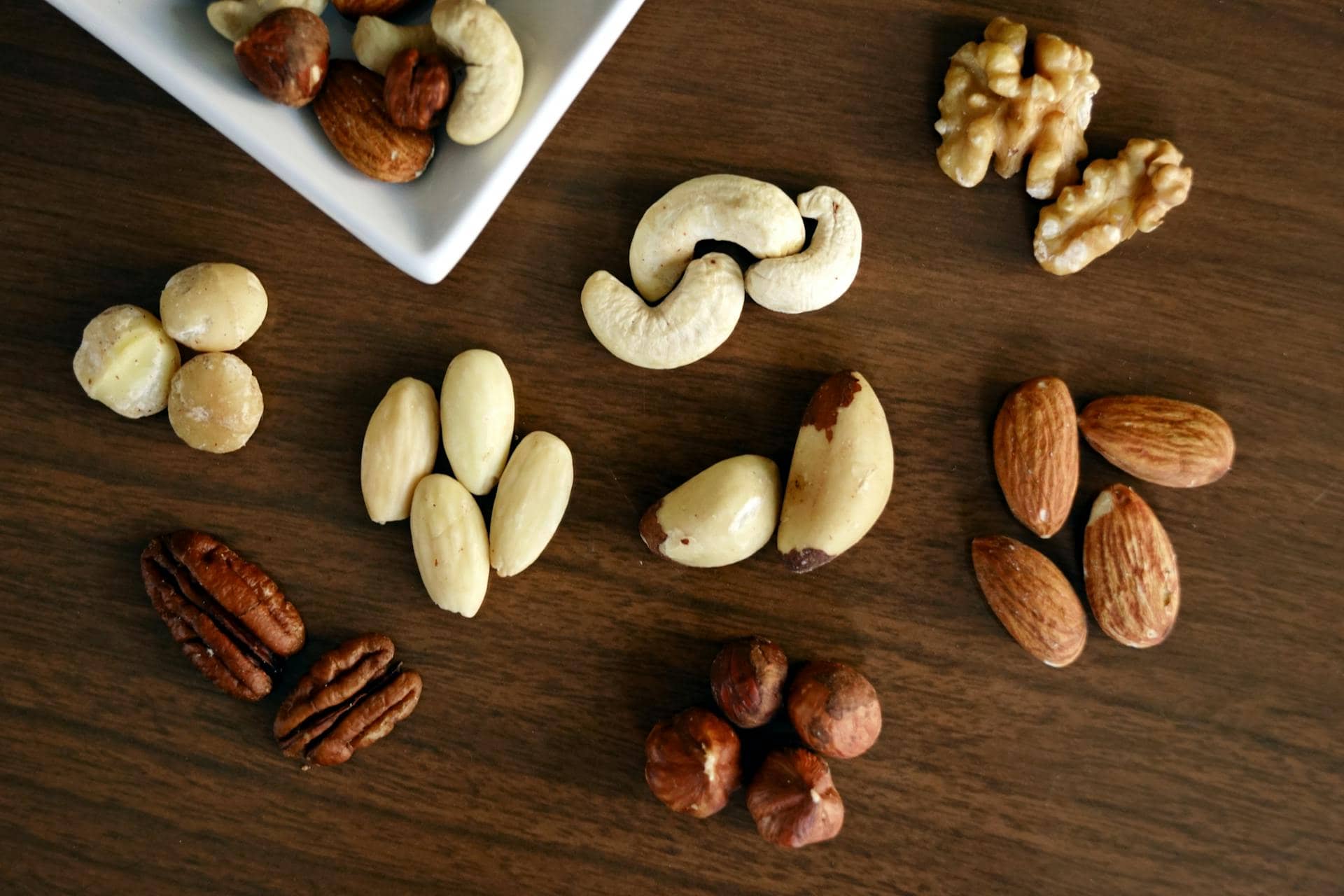
A study links elevated blood manganese levels with a higher risk of liver disease. Controlling dietary intake and workplace exposure is crucial to reduce this risk and protect health.
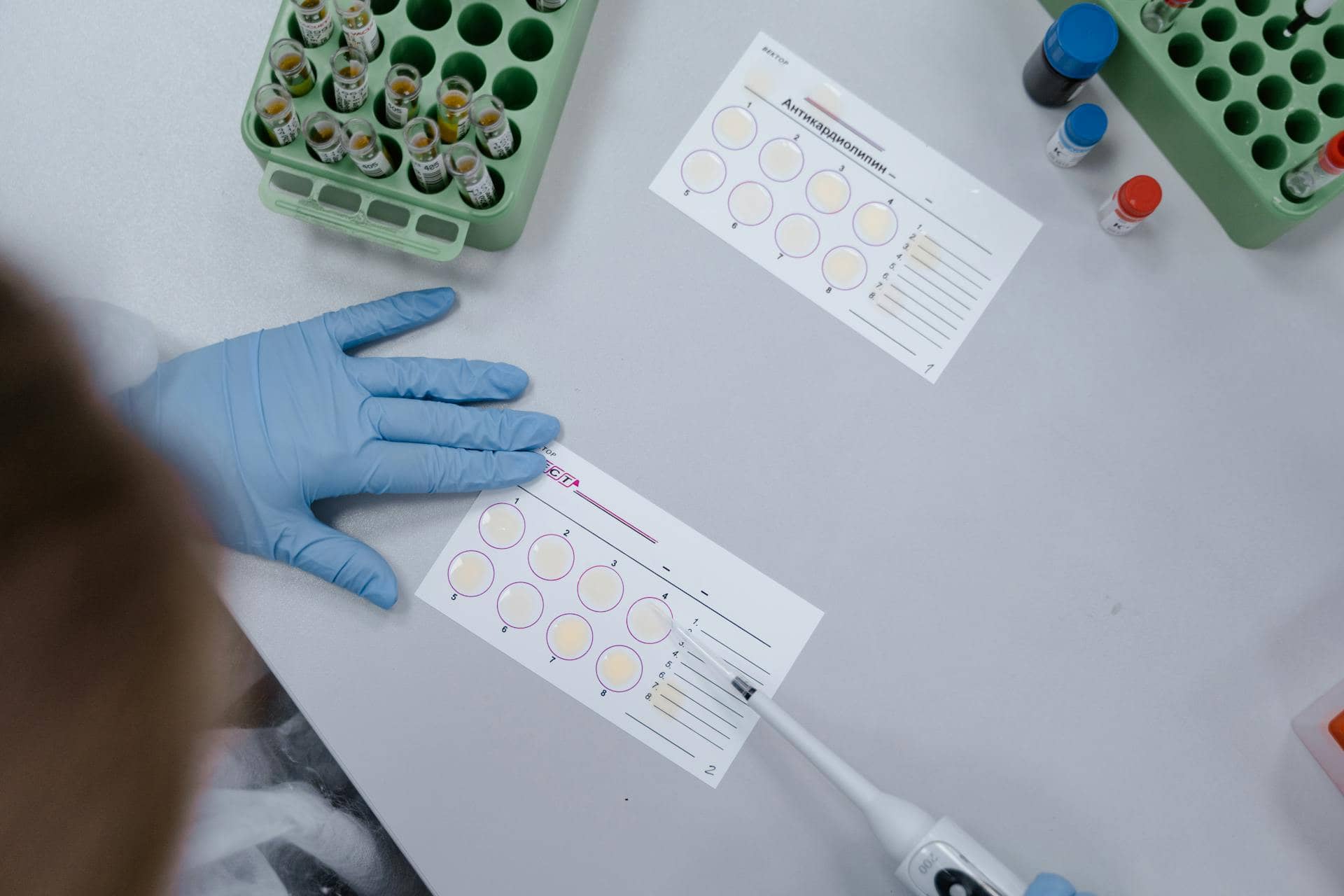
A promising new treatment for fatty liver disease has outperformed existing medications like Ozempic and Mounjaro in reducing liver fat, according to a recent study presented at a major liver disease conference.

Resmetirom is the first approved drug for steatohepatitis, effective in reducing liver fat and fibrosis. Available in the U.S., it awaits approval in Europe due to high cost and limited access.

Efimosfermin-alfa shows promise as a treatment for fatty liver disease, improving fibrosis and inflammation with monthly dosing, according to early clinical study results.

Fatty liver disease prevention involves healthy diets, intermittent fasting, regular exercise, coffee intake, and limiting sugars and saturated fats. These actions help reduce liver fat and disease risk.

Research indicates a potential relationship between fatty liver, kidney stones, and gallstones due to shared metabolic risk factors. More studies are required to validate these findings across different populations.

Studies suggest that curcumin for fatty liver improves liver enzyme levels, reduces fibrosis, and has cardiovascular benefits. Although promising, more extensive trials are needed to validate its effectiveness as a long-term treatment option.
Oral contraceptives may be linked to fatty liver. Avoid alcohol, smoking, and sedentary lifestyles to reduce the risk.