


Hepalatide, used with pegylated interferon-alpha, shows promise for curing chronic hepatitis B by eliminating cccDNA from liver cells, according to early study results presented in a European liver congress.

Resmetirom is the first approved drug for steatohepatitis, effective in reducing liver fat and fibrosis. Available in the U.S., it awaits approval in Europe due to high cost and limited access.
Efimosfermin-alfa shows promise as a treatment for fatty liver disease, improving fibrosis and inflammation with monthly dosing, according to early clinical study results.
A JAMA study shows that statins may benefit liver disease patients by lowering liver cancer risk, reducing complications, and improving fibrosis, especially with lipophilic and hydrophilic statins.
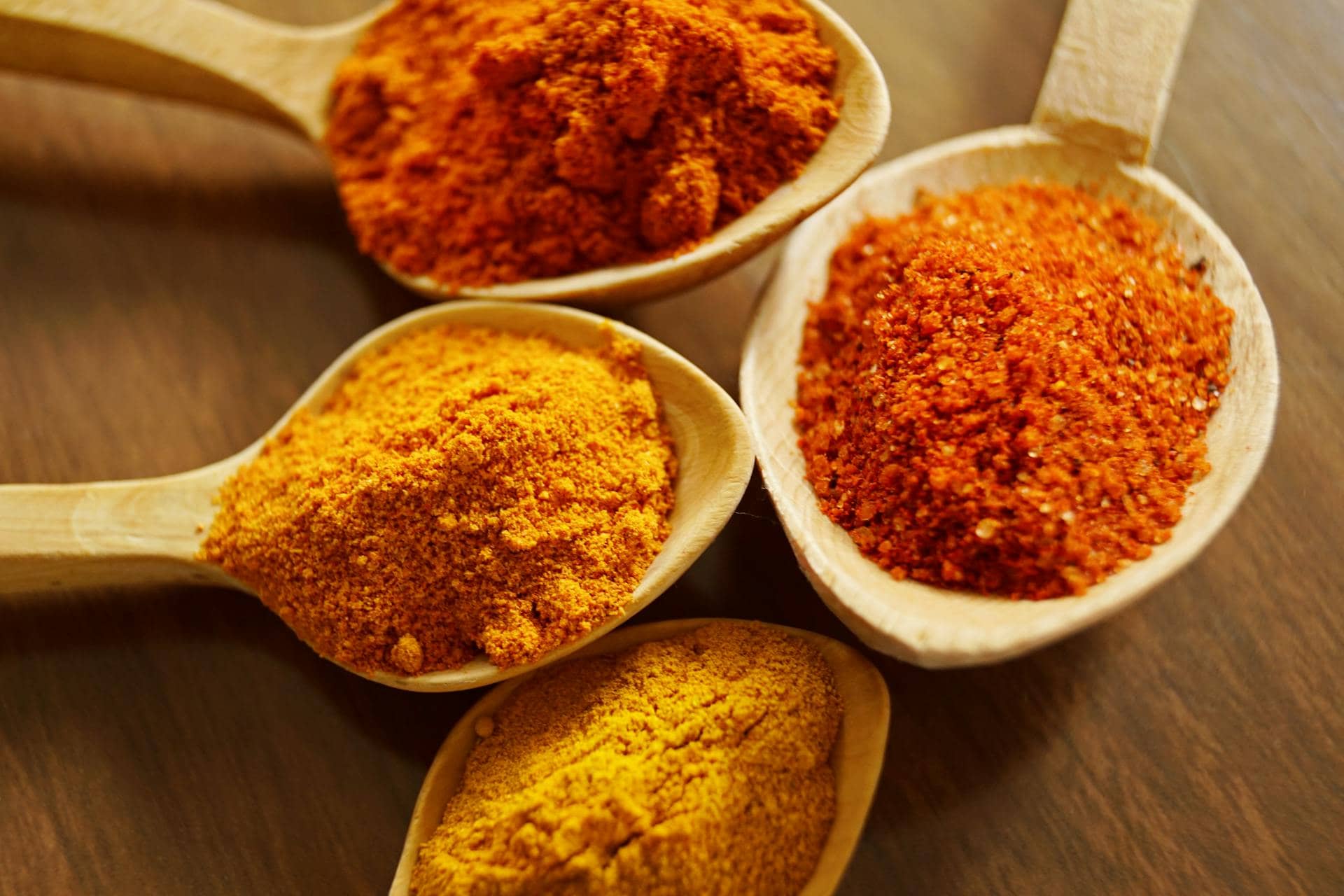
Studies suggest that curcumin for fatty liver improves liver enzyme levels, reduces fibrosis, and has cardiovascular benefits. Although promising, more extensive trials are needed to validate its effectiveness as a long-term treatment option.

Primary biliary cholangitis is a rare liver disease causing bile duct damage. New therapies like seladelpar improve outcomes for treatment-resistant patients, offering better symptom management.
Oral contraceptives may be linked to fatty liver. Avoid alcohol, smoking, and sedentary lifestyles to reduce the risk.
A new treatment for chronic hepatitis B using an antisense probe shows promising results, with 62% achieving theoretical cure and mild side effects.
Two recent studies reveal that Survodutide and Tirzepatide significantly improve the treatment of fatty liver by reducing fibrosis and enhancing liver health.

Recent study highlights aldafermin’s ability to reverse liver cirrhosis due to fatty liver by reducing fibrosis in patients. A significant breakthrough in treatment prospects.