


Elafibranor is a newly approved treatment for patients with primary biliary cholangitis (PBC) who do not respond adequately to ursodeoxycholic acid. Clinical studies show improved liver function and establish it as a promising therapeutic option.

A study published in The New England Journal of Medicine shows that Bepirovirsen significantly increases the likelihood of achieving a functional cure for chronic hepatitis B.
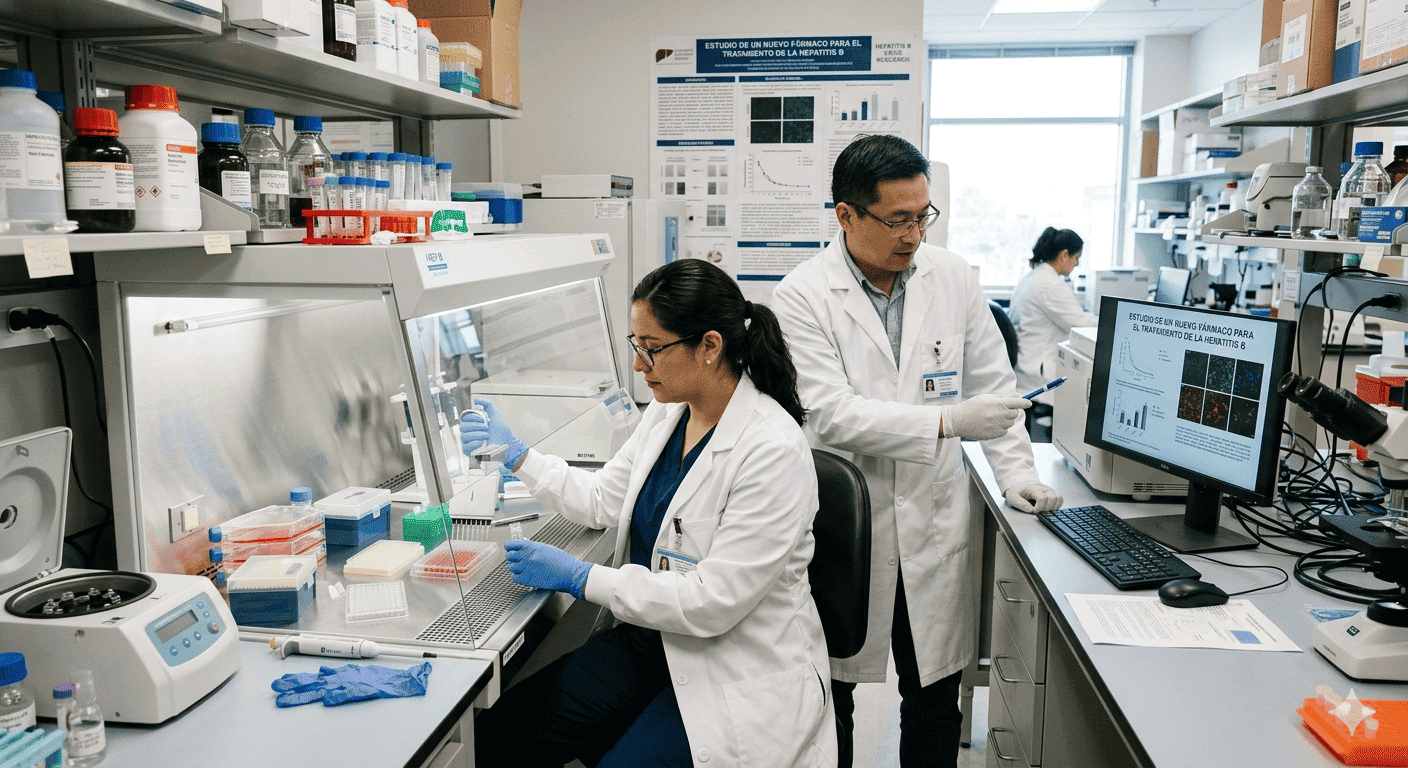
A study suggests GST-HG141 may become an effective new hepatitis B treatment for patients with incomplete response to current antiviral therapies.
A study shows spironolactone reduces fatty liver risk in patients with hypertension, lowering liver fat accumulation and slowing fibrosis progression.

Hydronidone has demonstrated significant reversal of liver fibrosis in patients with chronic hepatitis B, offering a potential new therapeutic option.

HU6 is a novel oral drug that reduces liver fat and body weight through controlled metabolic acceleration, showing promising results in clinical trials compared to placebo.

A large study reveals that vitamin E can reduce liver fibrosis and improve liver health in patients, reinforcing its therapeutic value alongside diet and exercise.
Infliximab shows positive results in autoimmune hepatitis resistant to conventional therapies, improving liver function in most patients and representing a potential future treatment option.

Linerixibat, a bile acid transport inhibitor, has shown significant benefits in the treatment of pruritus in primary biliary cholangitis, reducing itching and improving sleep with minimal side effects.
A promising new treatment for fatty liver disease has outperformed existing medications like Ozempic and Mounjaro in reducing liver fat, according to a recent study presented at a major liver disease conference.