

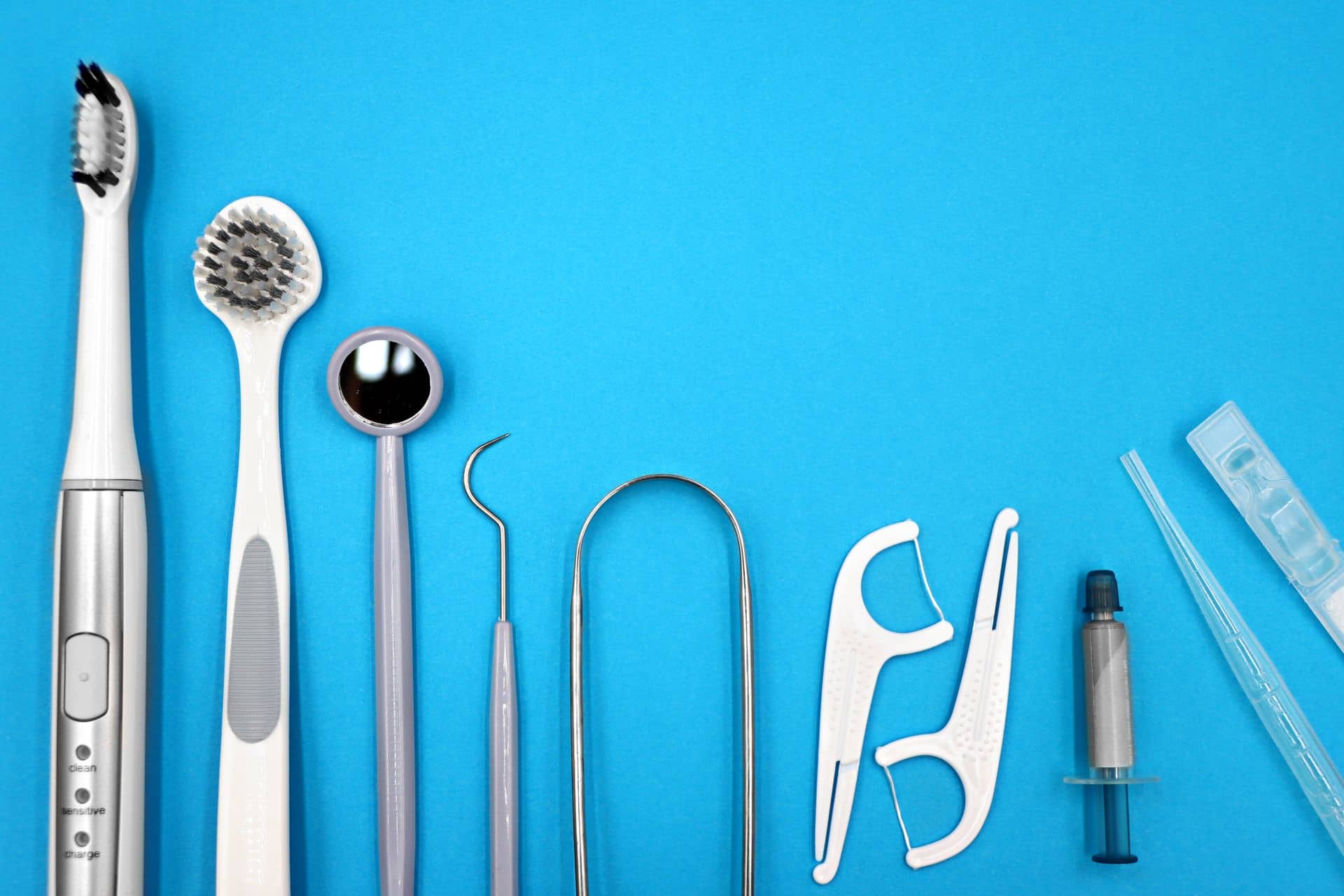
A study published in Scientific Reports investigated the relationship between periodontitis and fatty liver disease. The findings show that signs of periodontal disease, including a periodontal pocket depth greater than 6 mm and gingival bleeding, are associated with fatty liver disease and a greater degree of liver fibrosis.
Fatty liver and hepatitis B can coexist and worsen liver damage. Combined treatment helps reduce inflammation, fibrosis, and disease progression.

A study shows that eating fewer than three times a day and fasting over 14 hours increases fatty liver risk due to circadian rhythm disruption.

A study published analyzes the effectiveness of a low-carbohydrate diet in patients with fatty liver disease. Results show weight loss, reduced abdominal circumference, and improvements in liver inflammation and glucose metabolism.

Orforglipron, an oral GLP-1 small molecule, shows significant weight loss results and may become an alternative to injectable drugs like Ozempic or Wegovy.

Coffee consumption, due to caffeine, has psychoactive properties and health benefits, improving cognitive function and reducing disease risk, however, excessive intake can be harmful.

Women with early menarche show a higher risk of fatty liver disease. Later onset lowers this risk, highlighting the importance of monitoring weight and liver health.
MariTide, a new drug for obesity, delivers significant weight loss with a single monthly injection, while also reducing blood pressure and glucose levels in patients.
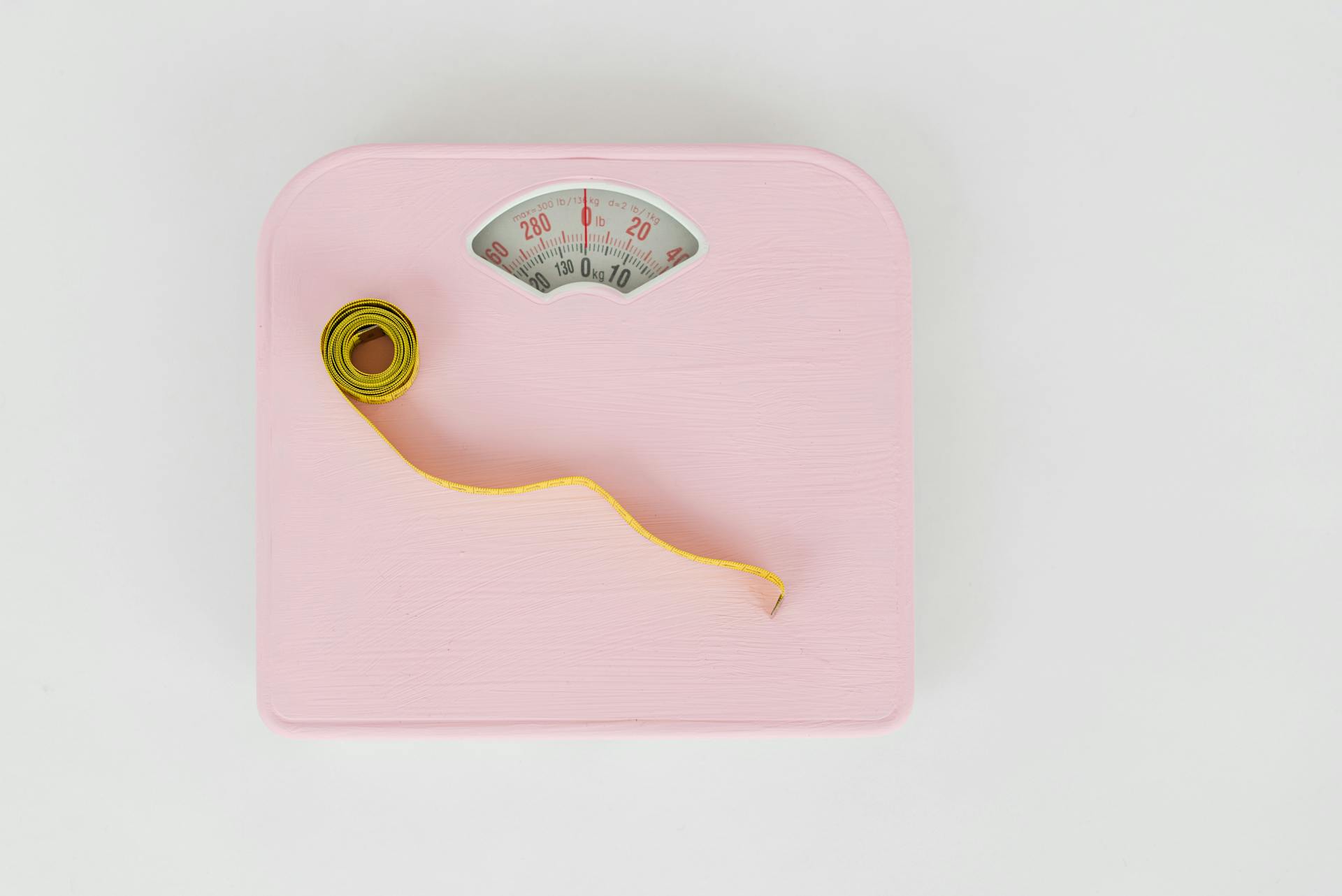
A comparative study found that tirzepatide outperforms semaglutide for weight loss, achieving greater reductions in body weight, waist circumference, and blood pressure, with similar side effects in both treatments.

High-intensity interval exercise and a controlled diet reduce liver fat, inflammation, and damage in fatty liver patients, achieving a cure in 56% of treated cases while improving disease activity by 20-30%.